When Everyone Stops Playing, Who Pays?
The last thing I do before I fall asleep is watch people plan their escape. Reddit, on the couch, the scroll before the phone drops on my face. Germans, most of them earning well, running the same Rechnung every time: minus Lohnsteuer, minus Sozialabgaben, and what’s left still doesn’t buy the Eigenheim their parents bought on a single income. So they talk about auswandern. Portugal, Dubai, somewhere the state wants less.
One of them could have walked straight out of Henry Fudge’s essay — his Zürich engineer, gutes Gehalt, eight years saving for a deposit that runs faster than he ever will. Fudge’s people gamble or they lie flat. Meine packen.
I’d read Fudge’s essay the week before, which is why my couch people suddenly had a shape. His case, roughly: the behaviours older generations file under degeneracy — the OnlyFans account, the sports betting, the year in bed — aren’t moral rot, they’re rational. When an ordinary wage stops buying an ordinary life, people stop playing for it. Some gamble for the one shot that clears the bar, some lie down. He’s right, and he stops there. The question he leaves on the table is the one I can’t: if the state lives on taxing work, and work is what’s vanishing, what’s left?
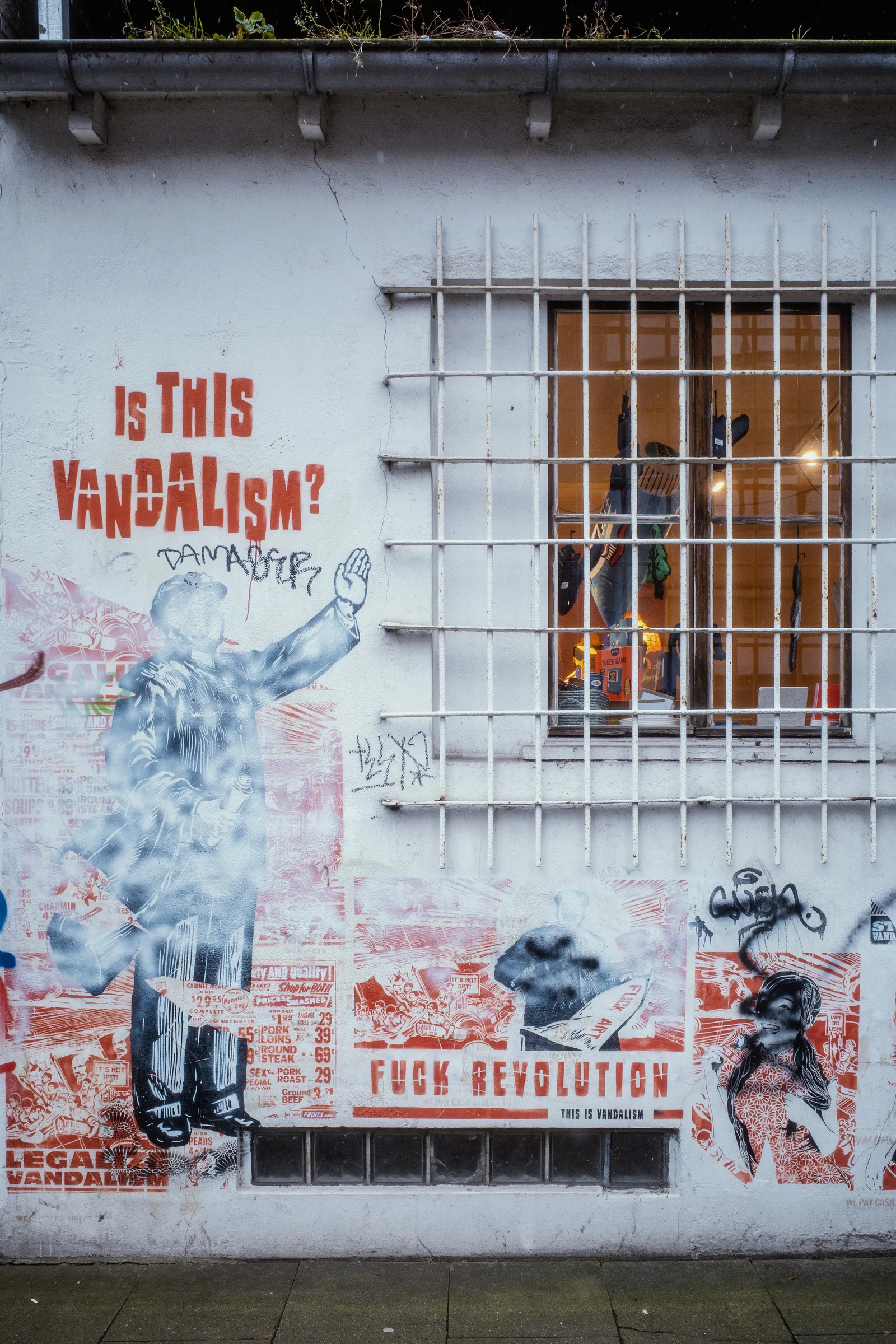
Easy to file this under whining. Well-paid people who want a bigger house, sulking on a couch. But follow the money instead of the mood. The German state runs on taxing labour: income and payroll are the main course, everything else is a side dish. Now look at both ends of that plate. From below, the bots and the platforms take the work that used to make the wage that got taxed. From above, the ones who still earn are edging toward the door. The taxable middle, the thing the whole system feeds on, is getting squeezed from both sides at once.
And the money doesn’t vanish. It pools. What the middle stops earning, someone at the top is still collecting: the landlord, the platform, the fund that owns the building. The state’s plate empties and the capital sits fuller than ever, in the one place the tax code barely reaches. Broke state, rich owner, same motion.
So what’s left to tax? The answer is old and nobody wants it. Henry George worked it out in 1879: don’t tax work, tax rent. Tax the things that earn without doing — land, mostly, because land can’t flee the country and it produces nothing on its own. The value sits there whether the owner lifts a finger or not. Fudge’s whole essay circles this and never says the word. He diagnoses the disease and stops one step short of the prescription that’s been on the shelf for a century and a half.
George could only see the rent of his century: land. Ours is data. The platforms don’t build the value, they capture it — your behaviour, your attention, your clicks are the raw material, and you hand it over for free. Someone else banks the rent. It’s a land tax wearing a hoodie.
The obvious objection: a data center can move to wherever the tax is lowest. True, but that misreads where the rent comes from. George saw that land value isn’t in the soil, it’s in the community around it; a plot in Hamburg beats the same plot in a field because of everyone living nearby. Data is the same. Move the servers to Ireland and the rent still originates here, from people who aren’t going anywhere. You can relocate the pipe, not the well.
The people scrolling toward the exit have the diagnosis right and the cure backwards. Leaving doesn’t fix a system that taxes work in a world running out of work. It just takes your wage somewhere warmer. The fix isn’t a lower tax on labour. It’s a tax on what’s actually making the money now.
Tax the data.